
Pooja Room Interior Design in Haldia & Purba Medinipur
Explore modern and traditional pooja room interior design ideas for homes in Haldia and Purba Medinipur, including mandir designs, lighting, storage and space planning.
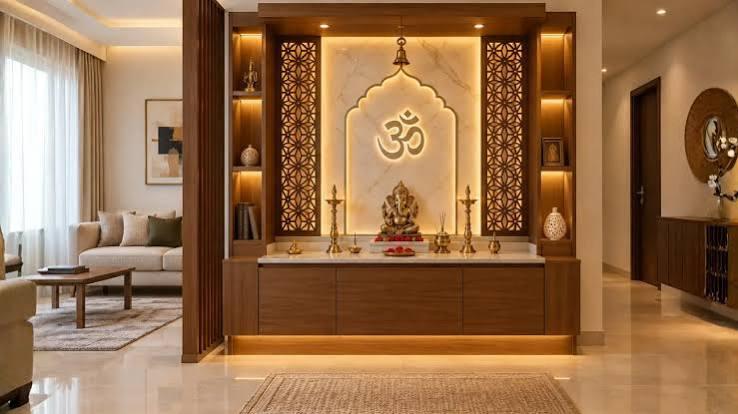
Pooja Room Interior Design in Haldia & Purba Medinipur
A pooja room is a special part of many Indian homes. It provides a peaceful space for daily prayers, meditation and religious rituals. A thoughtfully designed mandir or prayer area can complement the home's interior while remaining practical, comfortable and easy to maintain.
For homeowners searching for pooja room interior design in Haldia and Purba Medinipur, the right design depends on the available space, family preferences, storage requirements and the overall style of the home.
Whether you live in a compact apartment in Haldia or an independent house in Tamluk, Mahishadal or Sutahata, a well-planned pooja space can be created without compromising the functionality of the rest of your home.
Why Is Pooja Room Interior Design Important?
A well-designed prayer space brings organisation and visual harmony to the home. It provides a dedicated place for religious items, lamps, incense holders, prayer books and other essentials.
Professional planning can help you:
- Create a peaceful and organised prayer area.
- Use available space efficiently.
- Coordinate the mandir with the home's interior theme.
- Include practical storage for religious accessories.
- Plan suitable lighting and electrical points.
- Select materials that are easy to clean and maintain.
The design should reflect the family's traditions and preferences rather than follow a single standard layout.
1. Choose Between a Dedicated Pooja Room and a Prayer Corner
Not every home has enough space for a separate pooja room. Fortunately, a prayer space can be designed in different ways.
Dedicated Pooja Room
An independent room offers privacy and allows homeowners to create a distinct design using a mandir, suitable wall finishes, lighting and storage.
This option may work well in larger apartments and independent houses where a separate room or alcove is available.
Pooja Unit in the Living Room
A wall-mounted or freestanding mandir can be incorporated into a living room without occupying an entire room. A decorative partition or backdrop can help distinguish the prayer area from the seating space.
Compact Pooja Corner
For smaller homes, a compact unit with shelves and concealed storage can provide a practical solution. The design should preserve clear access and avoid making the surrounding area feel crowded.
Pooja Space Within a Bedroom
Some homes may require a prayer unit in a bedroom due to space constraints. Privacy, household customs and the room's layout should be considered before selecting the location.
2. Explore Modern and Traditional Mandir Designs
The mandir is usually the focal point of a pooja space. Its design can range from traditional carved wood to simple contemporary forms.
Traditional wooden mandir: Decorative wooden panels, carved details and warm finishes can create a classic appearance.
Modern wall-mounted mandir: A compact unit with clean lines can suit contemporary apartments and smaller homes.
Marble-finish mandir: Marble or suitable marble-look surfaces can provide a refined appearance and a smooth finish.
Backlit mandir: Carefully positioned indirect lighting can highlight the mandir and its backdrop without creating excessive glare.
Custom-built mandir: A custom unit can be designed around the available wall dimensions, storage needs and preferred materials.
Before selecting a design, consider the weight of the unit, mounting requirements, cleaning needs and space for the family's regular rituals.
3. Select Suitable Colours and Wall Finishes
Colour selection influences the atmosphere of a prayer space. Many homeowners prefer light, warm or natural shades that complement the rest of the home.
Popular options include:
- White and cream for a clean, understated appearance.
- Beige and natural wood for warmth.
- Soft yellow for a bright, welcoming feel.
- Light marble finishes for a refined look.
- Muted gold accents for subtle decorative detail.
A feature wall behind the mandir can provide visual definition. Textured panels, decorative screens or a simple contrasting finish may work well, depending on the overall design.
Avoid excessive decoration if it makes the area difficult to clean or distracts from the purpose of the space.
4. Plan Lighting for a Peaceful Atmosphere
Lighting is an important part of pooja room interior design. A combination of general illumination and subtle accent lighting can make the space comfortable to use.
Consider the following options:
- Soft ceiling lighting for general visibility.
- Concealed LED lighting around a suitable backdrop.
- Focused lighting to illuminate the mandir.
- Decorative fixtures that complement the design.
- Conveniently located switches for daily use.
Electrical fittings should be installed safely and positioned away from open flames, oil lamps and incense where heat or smoke may create a hazard.
If natural light is available, the layout can make use of it while maintaining privacy and avoiding excessive glare.
5. Include Practical Storage
A pooja room often contains more items than the mandir itself. Prayer books, incense, lamps, containers and decorative accessories need organised storage.
Useful options include:
- Drawers for smaller accessories.
- Shelves for frequently used items.
- Closed cabinets to reduce visible clutter.
- A dedicated place for prayer books.
- Easy-to-clean surfaces around the mandir.
Storage should be accessible without obstructing the prayer area. Keep flammable materials away from lamps and other ignition sources, and avoid placing heavy items on poorly secured shelves.
6. Design a Compact Pooja Room for Small Homes
Space-efficient design is especially useful for apartments and smaller houses in Haldia and nearby areas.
A wall-mounted mandir can free up floor space. Vertical storage can help organise accessories, while a simple backdrop can create a defined prayer area without requiring a full partition.
A few useful planning tips include:
- Measure the available wall or alcove before choosing furniture.
- Keep the surrounding circulation area clear.
- Use compact storage instead of oversized cabinets.
- Choose finishes that are easy to wipe clean.
- Plan electrical points before installation.
- Leave adequate space for the family's prayer routine.
A compact design can still feel elegant when proportions, lighting and materials are selected carefully.
7. Choose Materials for Durability and Easy Maintenance
The best materials depend on the design, budget and how frequently the space will be used.
Wood and engineered wood can create a warm appearance, but their suitability depends on the product, finish and exposure to heat or moisture. Stone and suitable tile surfaces may be easier to clean, while decorative laminates offer a range of finishes.
When comparing materials, consider:
- Durability and surface finish.
- Ease of cleaning.
- Resistance to stains and routine wear.
- Installation requirements.
- Compatibility with lamps and electrical fittings.
- Long-term maintenance costs.
Open flames should never be placed close to combustible finishes, curtains or decorative materials. Provide a safe, stable surface for lamps and follow the relevant product and installation guidance.
8. Vastu and Pooja Room Planning
Some homeowners prefer to incorporate Vastu principles when planning a pooja room. If this is important to your family, discuss your preferred placement and layout during the initial design stage.
The room's actual dimensions, available light, ventilation, electrical arrangements and everyday usability should also be considered. Design decisions can be tailored to your preferences without ignoring practical constraints.
9. What Affects the Cost of Pooja Room Interior Design?
The cost depends on the size of the prayer area and the level of customisation.
Key factors include:
- The type and size of the mandir.
- Choice of wood, stone, laminate or other finishes.
- Custom cabinetry and storage.
- Decorative wall panels or partitions.
- Lighting and electrical work.
- Installation and finishing requirements.
A simple wall-mounted mandir may require a smaller investment than a complete custom-designed prayer room with built-in cabinets, decorative panels and extensive lighting.
Before starting, request a written quotation that specifies the design scope, materials, installation charges and exclusions.
Choose Royal Decor for Your Pooja Room Interior
A thoughtfully designed pooja room combines personal tradition with practical interior planning. The right mandir, colours, lighting and storage can create a dedicated prayer space that fits naturally into your home.
If you are planning pooja room interior design in Haldia, Kolkata or Purba Medinipur, contact Royal Decor to discuss your space, preferred style and budget.
From compact prayer corners to dedicated mandir rooms, begin with a clear plan that reflects your family's needs and complements your home.
Keep Reading
Suggested Articles
More design insights related to “Pooja Room Interior Design in Haldia & Purba Medinipur”
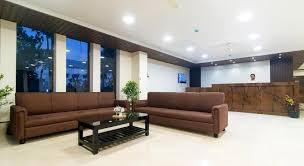
Hotel and Guest House Interior Design in Haldia & Purba Medinipur
Learn how thoughtful hotel and guest house interior design can improve guest comfort, reception areas, bedrooms, lighting and space planning in Haldia and Purba Medinipur.
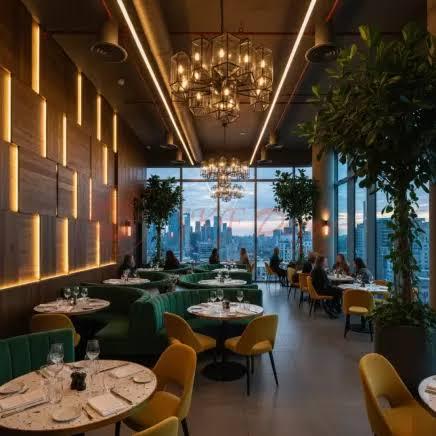
Restaurant and Cafe Interior Design in Haldia & Purba Medinipur
Discover restaurant and cafe interior design ideas for Haldia and Purba Medinipur, including seating layouts, lighting, wall finishes, and space planning.
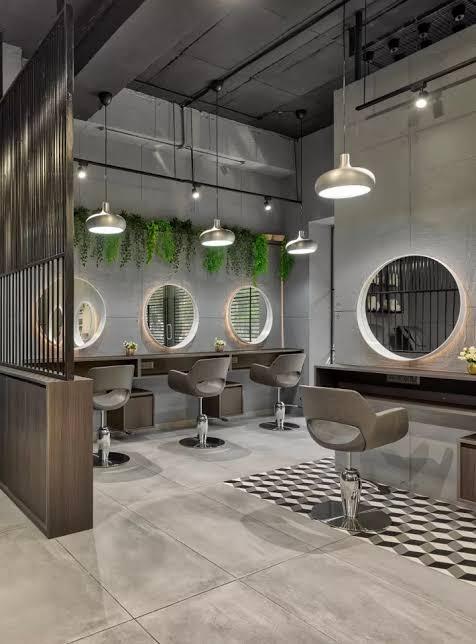
Salon Interior Design in Haldia and Purba Medinipur: Modern Ideas for Beauty Businesses
Planning a new beauty salon or upgrading an existing one? Explore salon interior design ideas for Haldia and Purba Medinipur, including reception counters, mirrors, lighting, workstations and storage.