
Home Library and Reading Room Design Ideas in Kolkata & South 24 Parganas
Create a peaceful reading space with practical home library design ideas, custom bookshelves, comfortable seating, layered lighting and space-saving layouts for homes in Kolkata and South 24 Parganas.
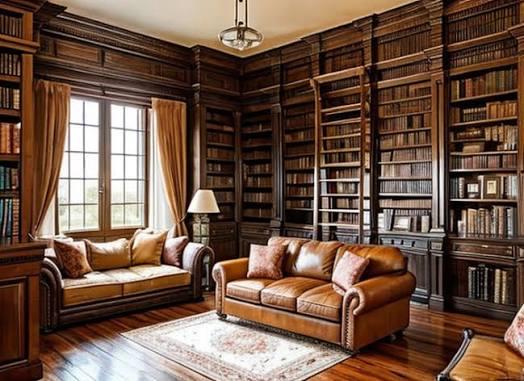
Home Library and Reading Room Design Ideas in Kolkata & South 24 Parganas
A dedicated reading space can bring comfort, organisation and personality into a home. Whether you collect novels, read for professional development or need a quiet corner for study, a thoughtfully designed home library can make reading more enjoyable.
Creating a home library does not necessarily require a separate room. A spare bedroom, an unused corner of the living room, a section of a study or a well-planned wall of bookshelves can become a functional reading area.
For homeowners in Kolkata and South 24 Parganas, the most suitable design depends on the available space, the size of the book collection, lighting conditions and the way the household uses the room.
Here are practical home library and reading room design ideas to help you plan a space that combines comfort, functionality and visual appeal.
1. Decide Whether You Need a Separate Room or a Reading Corner
The first decision is how much space you can dedicate to reading.
A separate library room may suit a larger home with an unused bedroom or an available study. It can accommodate bookshelves, a reading chair, a desk and additional storage.
In a compact flat, a reading corner may be more practical. A comfortable chair beside a bookshelf, a small side table and a suitable lamp can create a defined reading area without taking over the entire room.
You can also combine a library with a study or home office. In that case, plan the desk, seating and book storage so each activity has enough space.
Measure the available area before selecting furniture. Leave sufficient room to move comfortably and access books without shifting other items.
2. Choose Bookshelves That Match Your Collection
Bookshelves are the central feature of most home libraries. Their design should reflect the size of your collection, the room dimensions and your preferred interior style.
Floor-to-ceiling bookshelves
Tall shelving can use vertical space effectively and create a strong visual feature. It may work well in a dedicated library or a room with a suitable wall.
Consider safe access to upper shelves and the appropriate fixing or support requirements. Heavy books require shelves designed for their intended load.
Wall-mounted shelves
Wall-mounted shelves can be useful in small rooms where floor space is limited. They can hold books while keeping the layout visually light.
Before installation, check the wall type, fixing requirements and expected load. Avoid placing heavy objects on inadequately supported shelving.
Modular bookcases
Freestanding modular units offer flexibility. They can be rearranged, expanded or moved more easily than some fixed installations.
They may be a practical choice for renters or households that expect their requirements to change.
Custom bookshelves
Custom shelving can make use of unusual wall dimensions, corners or spaces beneath stairs. It also allows the finish, shelf spacing and storage arrangement to coordinate with the rest of the interior.
The design should still prioritise accessibility, structural support and easy maintenance.
3. Create Comfortable Reading Seating
A home library should encourage you to sit comfortably for an extended period. Select seating based on the way you prefer to read.
A supportive armchair may suit a quiet reading corner. A compact sofa can work in a shared family library, while a desk chair may be appropriate if the room is also used for study or writing.
Check the seat height, back support and available legroom before purchasing furniture. If you prefer reading with a notebook or laptop, consider whether a side table or desk will be useful.
Place the seating where it does not block doors, cupboards or the route to other parts of the room. Comfort and accessibility should guide the layout more than decorative appearance alone.
4. Plan Lighting for Reading and Relaxation
Good lighting is essential in a reading room. The goal is to provide sufficient illumination on the page while creating a comfortable atmosphere.
If natural light is available, place the reading area where daylight can be used without causing distracting glare on a screen or book. Curtains or blinds can help control excessive brightness when needed.
A floor lamp beside an armchair can provide focused light. A desk lamp may be more appropriate for a study-oriented library, while ceiling lighting can illuminate the room generally.
Bookshelf accent lights can highlight selected shelves, but they should not replace functional reading illumination.
Choose fixtures that minimise glare and harsh shadows. Ensure switches are accessible from the entrance or seating area, and have electrical installations carried out safely.
5. Select Colours That Support a Calm Atmosphere
Colour can influence the visual character of a home library. Neutral shades can create a quiet backdrop for books and furniture, while deeper colours may give a dedicated library a more intimate appearance.
Light wall colours can help a compact reading area feel open. Wood finishes can introduce warmth, and restrained accent colours can add personality without overwhelming the space.
You do not need to make every surface a different colour. A consistent palette across the shelves, walls, seating and curtains can help the room feel coordinated.
If your library shares space with a living room or bedroom, choose finishes that connect naturally with the surrounding interior.
6. Make Use of Unused Corners and Small Spaces
A reading corner can be created in places that might otherwise remain underused.
An empty wall beside a window may accommodate a narrow bookshelf and chair. A spare corner of a bedroom may work with a compact side table and wall-mounted shelves. A suitable landing or space beneath a staircase may also offer opportunities, depending on dimensions, safety and the building layout.
Avoid placing seating in narrow passages or areas where doors and drawers need to open. Make sure the reading light reaches the intended seating position.
For a small home, one carefully designed reading corner can be more useful than an oversized library that restricts the rest of the living space.
7. Organise Books by How You Use Them
A well-organised library is easier to maintain and more enjoyable to use.
You can group books by subject, author, genre, size or frequency of use. Keep frequently read books within easy reach and place occasional reference materials on higher shelves where they can be accessed safely.
Use bookends where needed to keep collections upright. Boxes or closed cabinets can store notebooks, stationery and accessories without making open shelves appear crowded.
Decorative objects can add interest, but leave enough room for books and avoid overloading the shelves.
The best organisation system is one you can maintain easily as your collection grows.
8. Consider Ventilation and Book Protection
Books and paper materials benefit from a clean, reasonably dry environment. When planning a home library, consider ventilation, dampness, sunlight and the condition of the walls.
Avoid placing bookshelves directly against a wall that shows signs of persistent dampness. Address moisture problems before installing custom cabinetry or moving a large collection into the room.
Direct sunlight can fade book covers and other materials over time. Use suitable window treatments where necessary, and maintain enough space for cleaning behind furniture.
In rooms with limited ventilation, plan the layout so the shelves do not create inaccessible areas where dust can accumulate.
9. Combine a Home Library With a Study Area
A library can also function as a study room or home office. This is especially useful in homes where a separate room for each activity is not practical.
A desk positioned near book storage can provide space for writing, online research and computer work. Add task lighting and organise cables so the workspace remains comfortable.
Keep reference books within reach of the desk while reserving separate shelves for leisure reading. If the room is shared by multiple household members, consider individual storage zones.
A combined library and study should have enough lighting and circulation space for both reading and desk work. Avoid allowing the desk to dominate the room if quiet reading is the primary purpose.
10. Choose Materials for Durability and Maintenance
The materials used for bookshelves, flooring, furniture and wall finishes influence both appearance and maintenance.
When selecting shelving, consider the weight of the books, the expected span between supports and the suitability of the material for the room's conditions. A designer or qualified fabricator can help determine appropriate construction details.
For furniture, select finishes that are easy to clean and coordinate with the home's existing materials. A comfortable chair with a practical upholstery fabric may be more useful than a delicate finish that requires frequent special care.
If you plan custom shelving, confirm the dimensions, shelf spacing, support details, finish and installation requirements before fabrication begins.
11. Plan a Budget That Matches Your Reading Habits
The cost of a home library depends on whether you are creating a small reading nook or a dedicated room with custom furniture.
A simple corner may need only a chair, a lamp and a small bookcase. A larger project may include custom shelving, a desk, storage cabinets, electrical work and coordinated lighting.
Prioritise the features you will use most frequently. Comfortable seating, suitable reading light and safe, accessible storage are usually more important than elaborate decorative elements.
Before committing to custom work, prepare a list of required items and optional upgrades. Request clear specifications for materials, dimensions, installation and any additional work.
12. Work With an Interior Designer for a Custom Library
A well-designed library should reflect your reading habits, available space and wider home interior. Professional planning can help coordinate shelving, furniture, lighting, storage and finishes.
Royal Decor offers residential and custom interior design services in Haldia, Kolkata and other areas of West Bengal, subject to service confirmation. If you are planning a dedicated reading room or a compact library corner, discuss your book collection, preferred seating, available dimensions and budget before finalising the design.
Explore Residential Interior Design and Custom Interior Design to learn more.
Conclusion
A home library can be created in a dedicated room or within a small corner of an existing space. The most successful designs combine accessible bookshelves, comfortable seating, effective lighting, practical organisation and materials suited to everyday use.
Whether you are planning a reading nook in a Kolkata apartment or a full library in a home in South 24 Parganas, start with the way you read and the space available to you. Thoughtful planning can turn an unused corner into a comfortable and useful part of your home.
Planning a personalised home interior? Contact Royal Decor to discuss your requirements and confirm service availability in your area.
Keep Reading
Suggested Articles
More design insights related to “Home Library and Reading Room Design Ideas in Kolkata & South 24 Parganas”
Rental Flat Interior Design Ideas in Kolkata & South 24 Parganas
Make your rented flat feel like home with practical interior design ideas, flexible furniture, smart storage, renter-friendly wall décor and budget-conscious styling for Kolkata and South 24 Parganas.
Home Entrance and Foyer Design Ideas for Kolkata & South 24 Parganas Homes
Discover practical home entrance and foyer design ideas for Kolkata and South 24 Parganas homes, including shoe storage, console tables, mirrors, lighting, wall panels and compact layouts.
Staircase Interior Design Ideas for Modern Homes in Kolkata & South 24 Parganas
Explore modern staircase interior design ideas for duplex houses and independent homes in Kolkata and South 24 Parganas, from floating stairs and glass railings to smart storage and stylish lighting.